
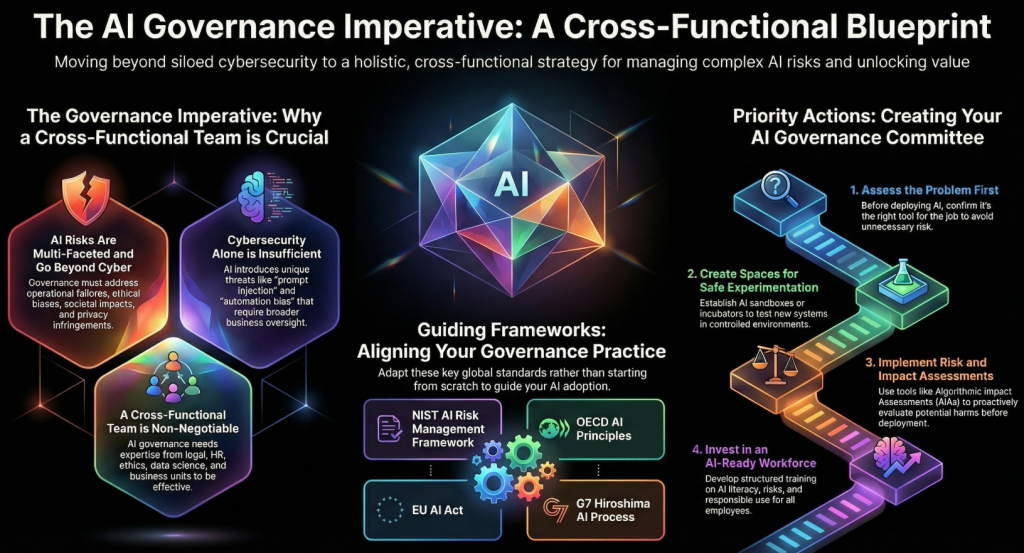
Bhojraj Parmar Erosion of Trust The CEO has just returned from Silicon Valley. He/She is excited and declares that we are going to implement an AI first strategy across the business. She/He exclaims “these are special times, we have an opportunity to be leaders and do right for our customers and stakeholders”. Everyone claps and Read More
Category: Individual & Family
In today’s hyper-connected world, digital safety and cybersecurity are no longer just technical concerns for IT departments — they are fundamental to protecting every individual and family. As Qubit Cyber’s Digital Safety methodology makes clear, there is a critical distinction between being “secure” and being “safe.” Traditional cybersecurity focuses on protecting data, systems, and finances through confidentiality, integrity, and availability. But digital safety goes further, asking whether the products and systems we depend on every day can prevent real harm to human lives and well-being when — not if — they fail. Our families rely on connected devices, online services, and digital platforms for everything from healthcare and education to banking and communication. A compromised home network isn’t just a data breach; it can expose children to predatory behaviour, enable financial fraud that devastates a household, or disrupt access to critical services in a moment of crisis. Shifting our mindset from cybersecurity to digital safety means recognising that the people behind the screens — not just the systems — are what we must ultimately protect.
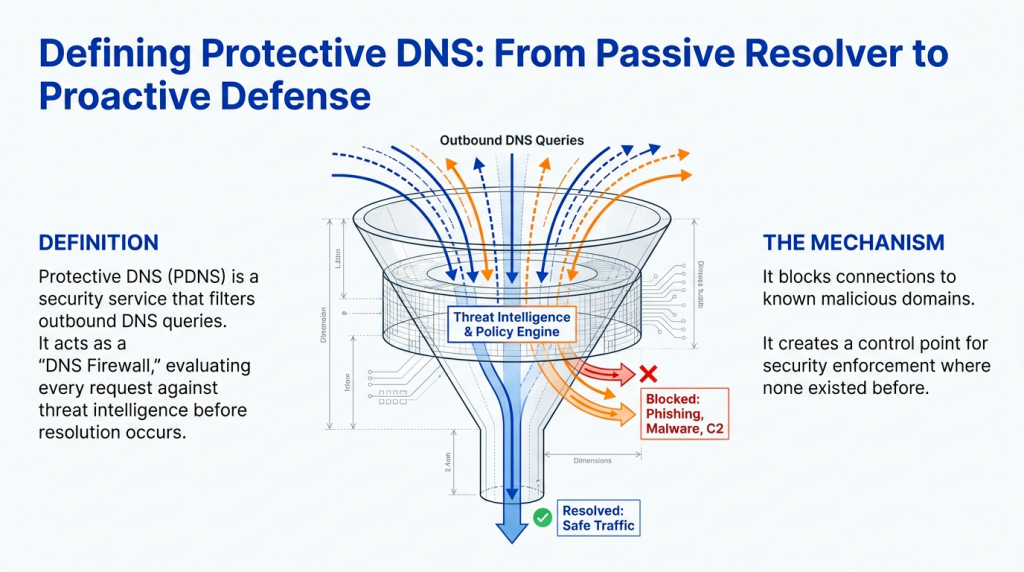
What is Protective DNS and Why Is It Critical to Your Cybersecurity Defensive Architecture?
The Domain Name System (DNS) is the foundational address book of the internet, a ubiquitous and trusted protocol that underpins virtually all online activity, from browsing websites to sending emails. This inherent trust and ubiquity, however, make it a primary target for cyberattacks, with global cybercrime damages projected to reach $6 trillion annually. Because it Read More