

Digital Safety Modelling is a structured process for identifying, understanding, and prioritising potential harms to humans arising from their interaction with or dependence upon technological systems. Where threat modelling asks “what could go wrong with this system?”, Digital Safety Modelling asks “how could this system’s behaviour—intended or otherwise—harm the human?” Read More
Category: Community & Civil Society
In today’s hyper-connected world, Digital Safety and Cybersecurity are critical to protecting the “Community & Civil Society” because our essential infrastructure—such as power grids, water treatment, healthcare, and transport—now relies on software that, if compromised, can lead to real-world kinetic consequences, including physical injury and loss of life. As digital systems increasingly control the physical fabric of reality, a cybersecurity failure is no longer just a technical issue but a fundamental threat to public safety and societal trust. Protecting civil society requires a paradigm shift from traditional “perimeter” thinking to building “Digital Safe” architectures that prioritize people’s safety and the community over technical assets. By adopting a “Digital Clinical Safety” lens and enforcing “safety by design,” we can build a world where technology enhances human potential without endangering human lives that depend on it.
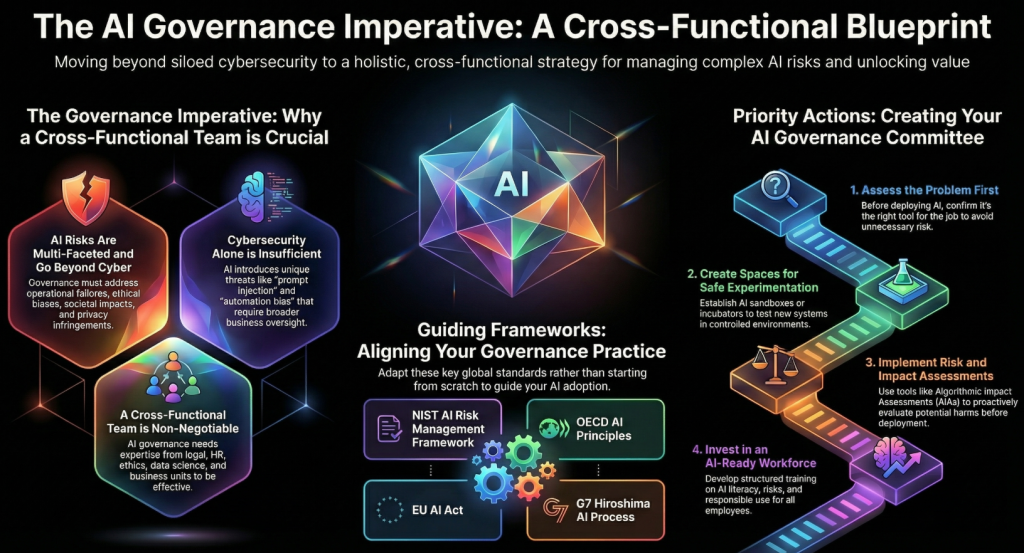
AI Governance and Digital Safety Alignment
AI adoption is inevitable but requires robust governance for success. Author Bhojraj Parmar argues that poor governance erodes trust; governance should instead foster safety, trust, and prosperity. Rushing AI adoption risks “Shadow AI,” data leaks, and insider threats. The blog advocates moving beyond narrow cybersecurity to Digital Safety, prioritizing the safety of humans, institutions, and communities. The core message is that AI governance must align with digital safety modeling to account for all types of harm when defining OKRs/KPIs. This is fundamentally a business problem, not just a cybersecurity one, and strong governance is essential for maintaining customer trust, adoption, and revenue. Read More
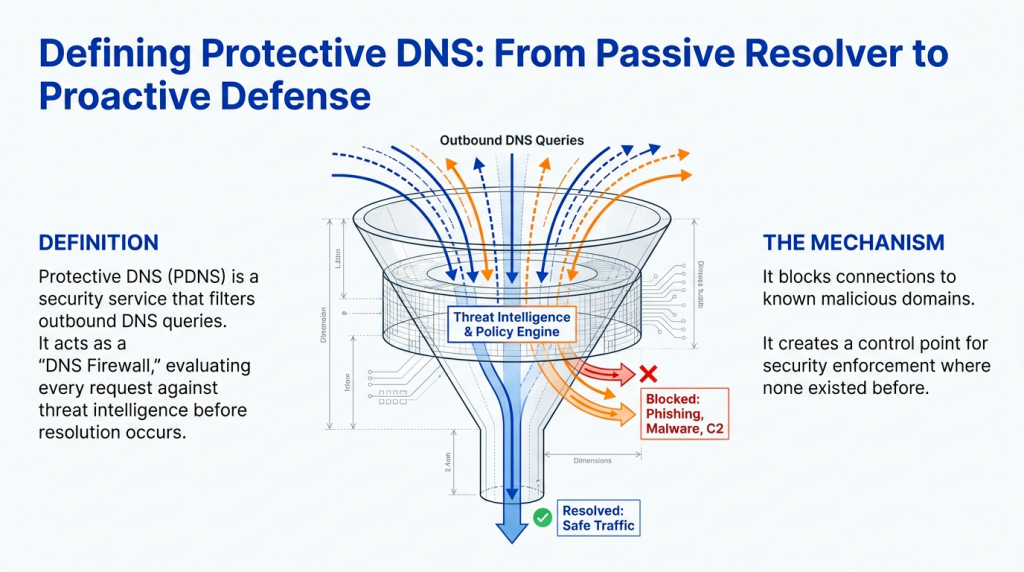
What is Protective DNS and Why Is It Critical to Your Cybersecurity Defensive Architecture?
The Domain Name System (DNS) is the foundational address book of the internet, a ubiquitous and trusted protocol that underpins virtually all online activity, from browsing websites to sending emails. This inherent trust and ubiquity, however, make it a primary target for cyberattacks, with global cybercrime damages projected to reach $6 trillion annually. Because it Read More